Shane MacGowan and a Martin headstone

November 21, 2021

It’s over eight years since I’ve posted anything on this site and it took Shane MacGowan to get the words flowing. I’ve just watched a brilliant film festival documentary, ‘Crock of Gold: A Few Rounds with Shane MacGowan 2020’, in which the former Pogues frontman and songwriter opens up about his life and Ireland’s tumultuous history.
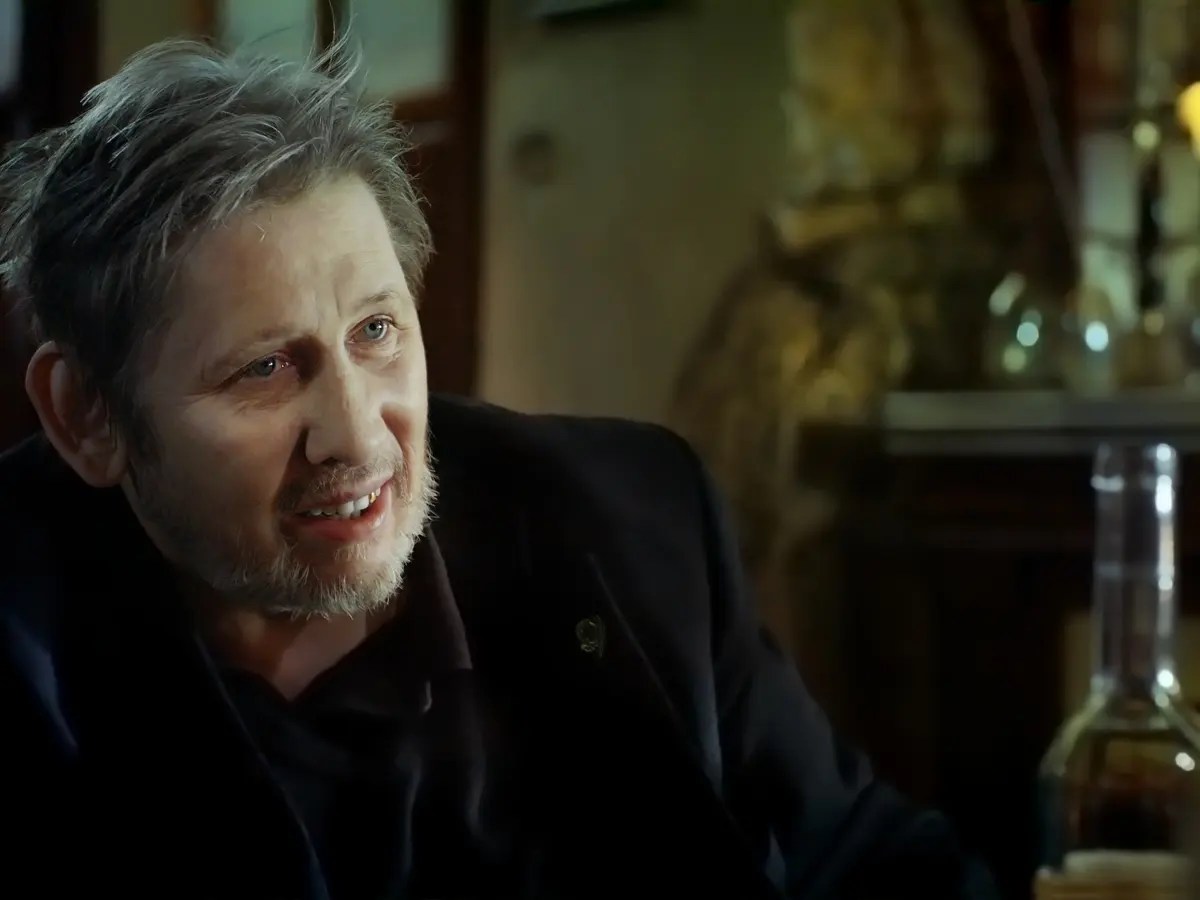
Shane MacGowan was born on Christmas Day, 1957.

‘Opens up’ probably overstates it because after a lifetime thrashing himself with drugs and alcohol, MacGowan is bloated and barely audible. His words are sub-titled. But the spark still glows inside the man Clash leader Joe Strummer described as ‘Ireland’s greatest songwriter of the 20th century’.

Under the influence of punk, MacGowan sought to ‘kick Irish music up the arse’, as he put it, and drag it into the twentieth century. But Crock of Gold’s most striking section is MacGowan talking about childhood holidays running wild at his extended family’s Tipperary farm, not far from where my Martin forebears come from. Read more


Book reviews

November 20, 2011

Good books on Celtic history, Shane MacGowan, and what the Irish world was like when our ancestors emigrated.

The Sea Kingdoms: The History of Celtic Britain and Ireland. Alistair Moffat. Harper Collins, 2002. 316pp.

I was intrigued out on Kapiti Island a few years ago when a friend explained why the island was such a great stronghold for the Maori chief Te Rauparaha. Kapiti commanded quick and easy access from Taranaki in a huge arc down the Wanganui and Horowhenua coasts, across the top of the Marlborough Sounds to the western end of Golden Bay. With the land so densely forested the sea was not a barrier but a highway for a seafaring people such as the Maori.

Scot Alistair Moffat, in a brilliant history of Celtic Britain and Ireland, looks at his part of the world in the same way. ‘So that the dynamic of Celtic culture can be better understood,’ he writes, ‘this story needs to be seen from a vantage point not on the land, looking out to sea, but from the sea, looking towards the land.’ Read the rest of this entry »