Shane MacGowan and a Martin headstone

November 21, 2021

It’s over eight years since I’ve posted anything on this site and it took Shane MacGowan to get the words flowing. I’ve just watched a brilliant film festival documentary, ‘Crock of Gold: A Few Rounds with Shane MacGowan 2020’, in which the former Pogues frontman and songwriter opens up about his life and Ireland’s tumultuous history.
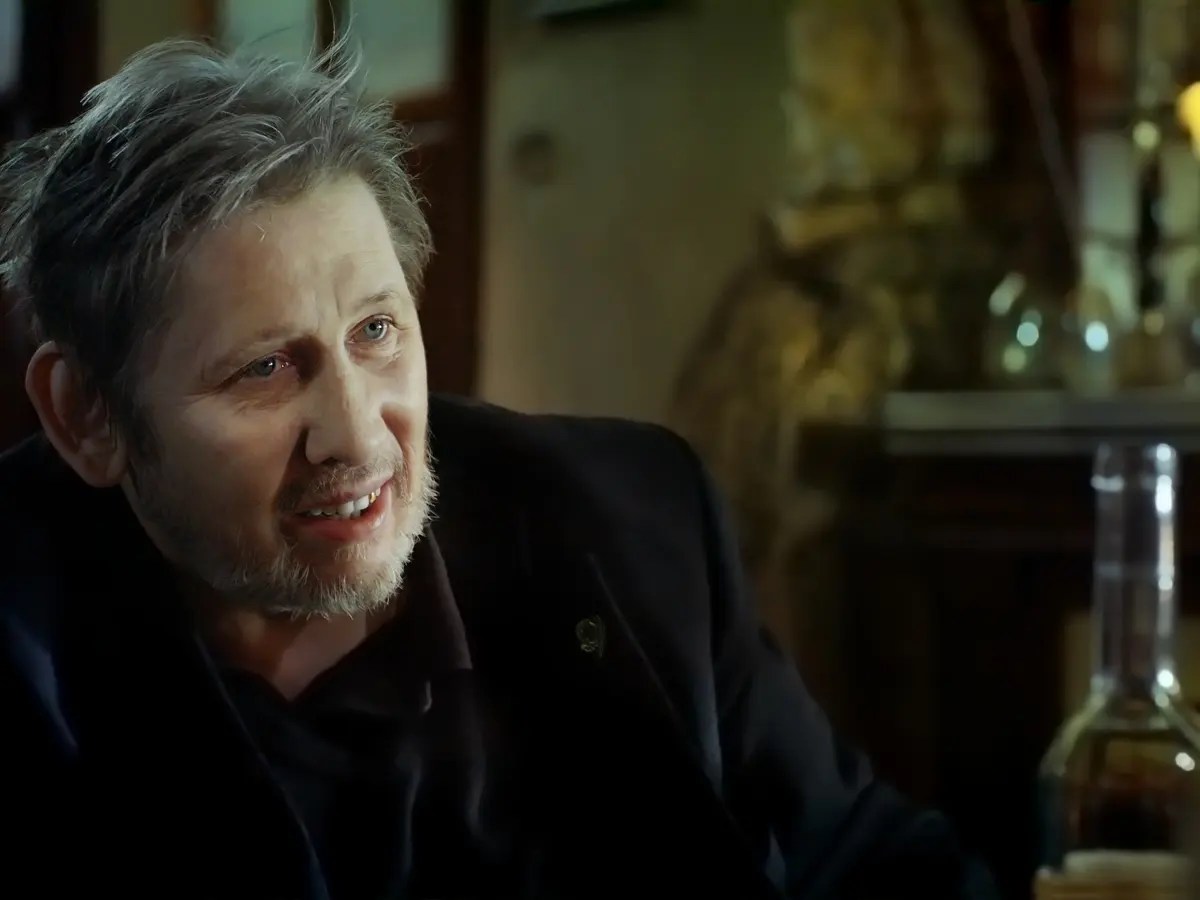
Shane MacGowan was born on Christmas Day, 1957.

‘Opens up’ probably overstates it because after a lifetime thrashing himself with drugs and alcohol, MacGowan is bloated and barely audible. His words are sub-titled. But the spark still glows inside the man Clash leader Joe Strummer described as ‘Ireland’s greatest songwriter of the 20th century’.

Under the influence of punk, MacGowan sought to ‘kick Irish music up the arse’, as he put it, and drag it into the twentieth century. But Crock of Gold’s most striking section is MacGowan talking about childhood holidays running wild at his extended family’s Tipperary farm, not far from where my Martin forebears come from. Read more


On the Martin trail

February 15, 2012

Six generations of Martins had worked in his Galway pub, he said, adding that his grandfather’s name was John, his father was Billy, and he had a son named Liam. ‘Well, Billy,’ I replied, ‘I don’t know if we’re related, but my grandfather was Billy, my father’s name was John, and I too have a son named Liam.’

‘Be prepared for setbacks’ is one of the first pieces of advice you’ll get from experienced family researchers. How true, I discovered, as I started to delve into my Martin family history.

In 2004, I went to Christchurch’s Linwood Cemetery where my Irish great-great-grandparents, Michael and Mary Martin (nee Boland), are buried. Thanks to the council’s excellent records, the plot was easy to find in the Catholic section where Michael had been buried in 1895 and Mary five years earlier.

A welcoming sign, but I was looking in the wrong place

I approached the grave site expecting at least a national monument in honour of my forebears. Instead, all I found was an unmarked patch of dry grass and weeds. It seems that on the voyage to New Zealand in 1864, Michael had carved himself a big wooden Celtic cross. His pride and joy had been placed as his headstone. The weather, or vandals, had long since destroyed it. [Happy to say that on a return visit in 2021, I discovered someone has placed a new headstone]. Read the rest of this entry »